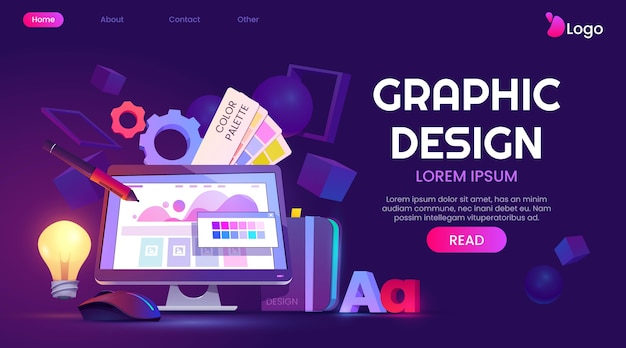
10 Essential Graphic Design Principles Every Designer Should Know
Graphic design is a vital skill that merges creativity with communication, and understanding the fundamental principles is essential for every designer. Among the 10 essential graphic design principles, the first is contrast. This principle helps to make certain elements stand out, ensuring that the audience's attention is drawn to the most important parts of a design. Another key principle is alignment, which provides a clean and organized appearance that enhances visual hierarchy and flow, guiding the viewer’s eye through the content.
The following principles are equally important in creating effective designs:
- Repetition: Establishes a consistent visual identity.
- Proximity: Groups related items together to create organization.
- Balance: Distributes visual weight to create stability.
- White Space: Uses empty space to enhance readability and focus.
- Hierarchy: Directs viewer attention through varied element sizes and styles.
- Color Theory: Employs color combinations to invoke emotions and convey messages.
- Typography: Selects font styles that align with the project's tone and purpose.
How to Choose the Right Color Palette for Your Designs
Choosing the right color palette for your designs is crucial, as colors can significantly influence how your audience perceives your work. To start, consider defining the mood you want to convey. Warm colors like red and orange can evoke energy and passion, while cool colors such as blue and green promote calm and relaxation. Make a list of the emotions you aim to inspire and then select colors that align with your vision.
Once you've identified your target emotions, it's time to explore various color combinations. You can use tools like color wheels to find complementary, analogous, or triadic color schemes. Additionally, consider creating a color palette that includes a primary color, a secondary color, and an accent color for balance. Remember, consistency is key; ensure your chosen colors work harmoniously throughout your design for a cohesive look that resonates with your audience.
What Makes a Graphic Design Stand Out in Today's Digital World?
In today's digital world, effective graphic design must not only capture attention but also communicate messages clearly and efficiently. One key element that contributes to a design's standout quality is its ability to evoke emotions through color and imagery. Designers utilize bold color palettes and compelling visuals to create an immediate connection with the audience, while also considering key design principles like contrast, alignment, and repetition. These foundational aspects ensure that each element serves a purpose, leading to a harmonious composition that is visually striking.
Another vital factor in making a graphic design pop is the integration of modern typography. Choosing the right font can significantly influence how content is perceived, enhancing brand identity and readability. Unique typographical choices, combined with innovative layouts that incorporate negative space effectively, can transform ordinary designs into memorable experiences. Additionally, incorporating interactive elements and animations can further engage users, making the overall design not just visually appealing but also functional and informative.